




ChallengeRopesCourse, Reflections, Uncategorized
The Four Phases of the Seasoned Outdoor Practitioner: A Journey to Wisdom and Humility
At Blackbox OE, we spend a great deal of time analysing not just the mechanics of outdoor education, but the mindset of the practitioner. Blackbox OE’s co-founder – YK, has long observed a common and fascinating four-phase progression among technically inclined practitioners that often goes unrecognised until it is reflected upon. This journey charts the humbling evolution from technical competence, which can breed rigid certainty and superiority, to the ultimate stage of contextual wisdom and humility. We share this hypothesis in our training, believing that understanding your current phase is the first step toward unlocking the next level of growth.
Here is the four-phase hypothesis we see in the evolution of the seasoned outdoor practitioner:

Phase 1: “I Don’t Know, I Want to Know”
This is the phase of Unconscious Incompetence. We are wide-eyed and eager, drawn by the thrill of the activity, the lure of the mountain, or the technical elegance of the challenge course. Our passion is undeniable, but we are completely unaware of the true depth, nuance, and complexity of the discipline. We don’t know what we don’t know. Our focus is often on the doing rather than the why. We are sponges, trusting implicitly in our mentors and following protocols without fully grasping the safety philosophy that underpins them.
The Mindset: “Tell me what to do. I’m here to learn everything.”
Phase 2: “I Know, I’m Confident”
With enough repetitions, successful trips, and the validation of certifications, we enter the stage of Conscious Competence. We have amassed a solid foundation of technical skills. We can rig the systems, manage the group, and execute emergency procedures. The world of OE suddenly feels manageable. We feel confident, capable, and proud of the hard-won knowledge we possess. We know we can do the job and begin to seek out more challenging situations to test our newly acquired skills.
The Mindset: “I’ve done this successfully five times now. I am competent, and I trust my training.”
Phase 3: “I Know Right From Wrong. I Tend to Be Overconfident Now.”
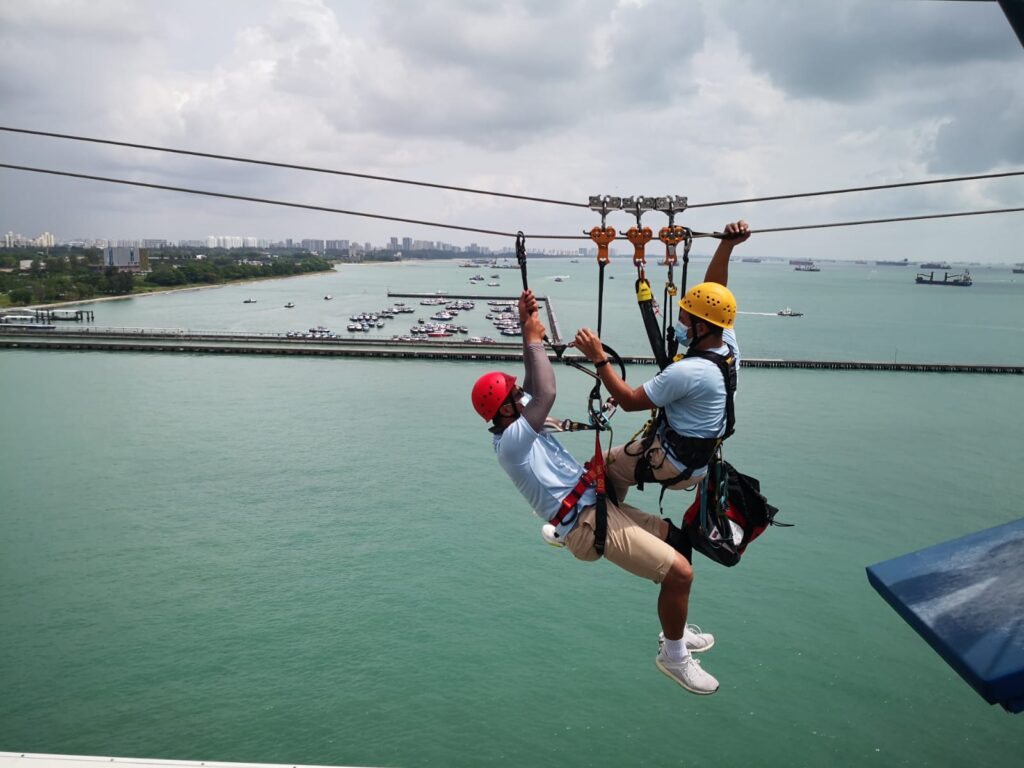
This is arguably the most dangerous phase for a technically inclined practitioner. Having transitioned from conscious competence into a form of Unconscious Competence, you are now running on instinct, but that instinct is rigid. You’ve seen enough to draw firm lines on what constitutes correct practice. You become susceptible to overconfidence—not out of malicious arrogance, but out of a deep belief that your accumulated experience provides the only reliable framework.
In this phase, practitioners might:
- Be dismissive of alternative approaches (“That’s not how we do it here.”)
- Rely on routine and forget to question assumptions (The “It’s always worked before” mentality).
- Rush procedures or take minor shortcuts, believing their skill will cover any resulting gap.
The risk here is that confidence masks the critical need for situational adaptation and humility.
The Mindset: “I’ve seen this countless times. I know the best way to do this, and anyone doing it differently is wrong.”
Phase 4: “Wisdom and Humility”
The final phase is a powerful return to being a student, but at a much higher level. This is where the seasoned practitioner merges deep technical knowledge with Humility and Contextual Judgment. They operate with the skill of Phase 2, the efficiency of Phase 3, but the mindset of Phase 1.
They know that the “right” way is always context-dependent. They understand that every situation—every knot, every group, every patch of weather—is unique. They are masters of the technique, but slaves to the environment. They move from asking “Is this right?” to asking “Is this the wisest decision right now, given all the variables?“
This is the shift from knowing the rules to understanding the underlying principles of safety and human development. It’s the highest form of mastery.
The Mindset: “I know how to do this flawlessly, but the environment/group/system is dynamic. What am I missing, and what can I do to make the next step safer?”
Where Are You on the Curve?
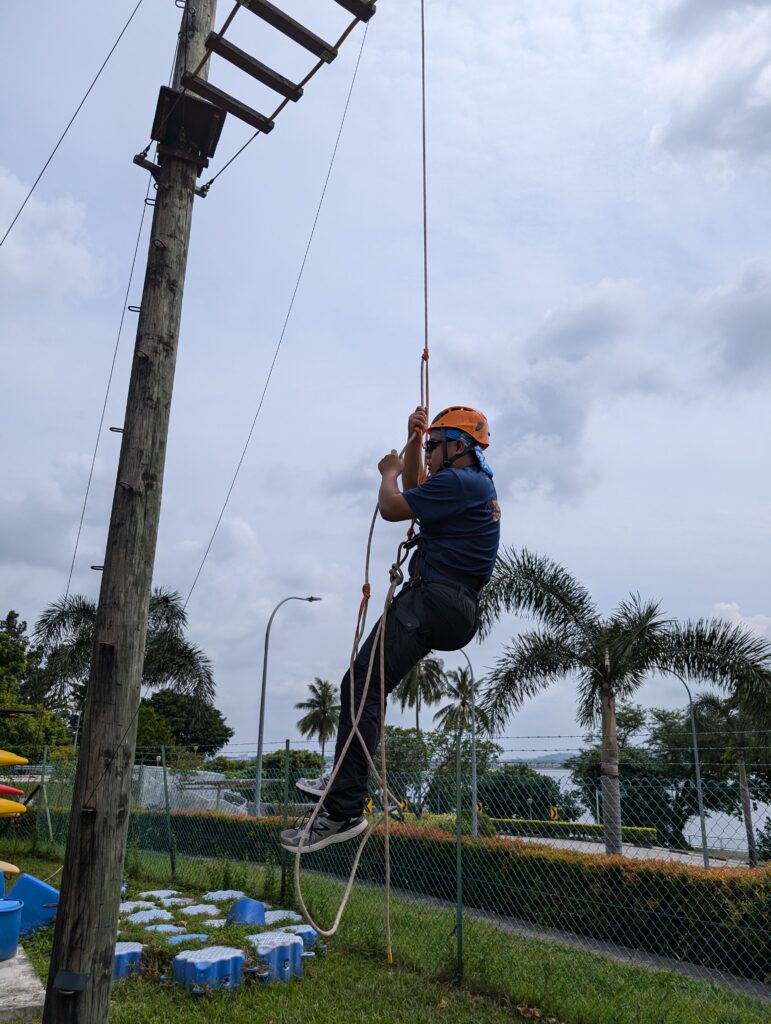
The progression through these four phases isn’t a linear march; it’s a cyclical process. You might be in Phase 4 in your rigging skills, but find yourself back in Phase 1 when you start learning a new discipline like sea kayaking or high-level facilitation.
The goal isn’t to rush to Phase 4, but to cultivate the self-awareness to identify which phase you are operating in at any given moment. By naming the stage, we can better manage its inherent risks and maximise its unique opportunities for growth.
Which phase are you currently navigating?
